
Osaka, 2001
The year is 2001.
MiniDisc players sit in dashboards. Street tuning magazines move through workshops and convenience stores. VTEC stickers, loud exhausts and brightly painted hatchbacks define Osaka after dark.
Above the city, the Hanshin Expressway Route 1 Loop carries normal traffic through central Osaka. By day, it is a practical road network. Late at night, it becomes the centre of one of Japan’s most recognised underground car cultures.
The racers are known as Kanjozoku. The name translates roughly as “Loop Tribe”.
This is the Kanjo Loop at the height of its early-2000s reputation.
Safety status: This is a historical account of an illegal street-racing scene. Do not race on public roads. Use a circuit, track day or closed-course event.
The Loop
The Kanjo Loop is a tight, elevated, clockwise route around Osaka. It is shorter and more technical than the high-speed Wangan routes associated with Tokyo.
The layout rewards:
- Light cars
- Fast direction changes
- Strong braking
- Stable suspension
- Driver concentration
- High-revving engines
The road is narrow in places. Curves arrive quickly. Traffic remains present. There is no runoff area, no marshal and no controlled race surface.
That layout shaped the cars.
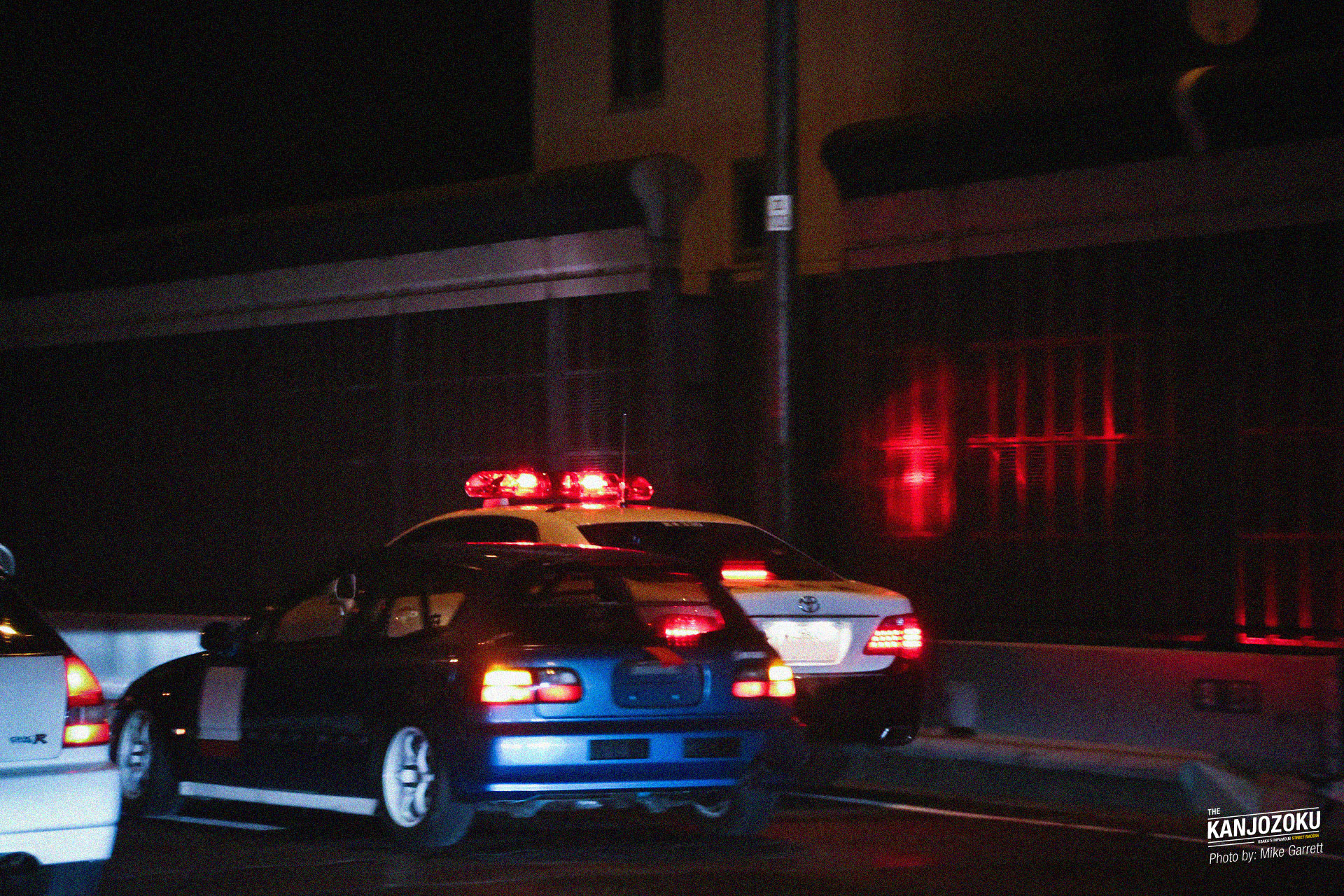
The typical Kanjo build was not a heavyweight grand tourer. It was a compact Honda Civic, usually an EF, EG or EK. The Civic offered a light chassis, a responsive front end and a VTEC engine that rewarded high revs.
Power mattered. Weight mattered more.
The Civic Was the Weapon
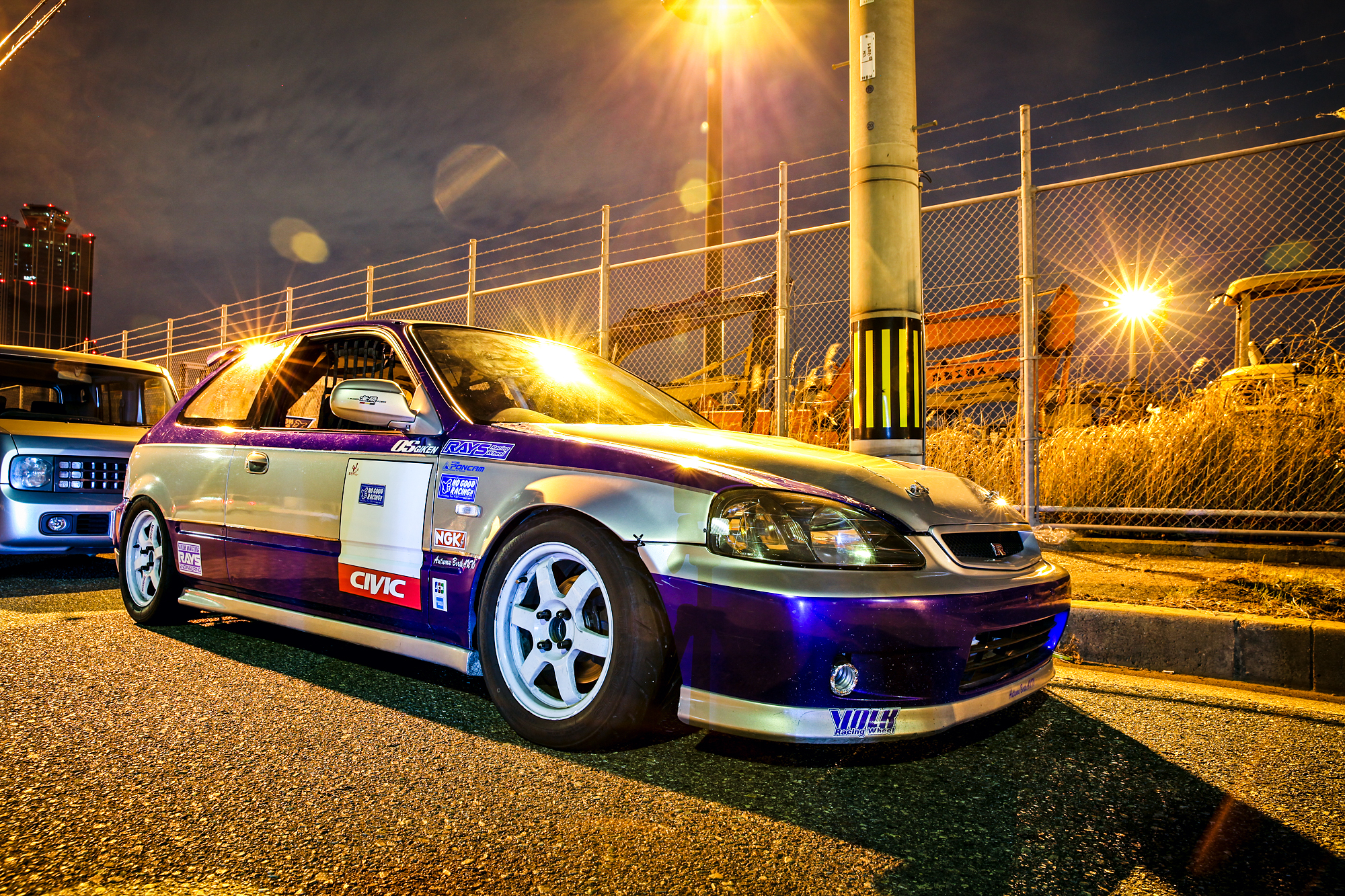
Kanjo culture was heavily Civic-focused by 2001.
Many cars carried circuit-inspired liveries. Others used two-tone paint, large decals and club graphics. Stripped interiors, fixed-back seats, roll cages and stiff suspension were common features of the period style.
The cars looked closer to one-make race machines than ordinary road cars.
This influence was not accidental. Japanese Civic racing had already developed a strong circuit identity through events and one-make competition. Kanjo drivers transferred that visual language and technical approach to the street.
Common period features included:
- B-series engine swaps
- High-compression naturally aspirated builds
- Close-ratio gearboxes
- Limited-slip differentials
- Uprated brakes
- Stiff coilovers
- Lightweight wheels
- Aggressive alignment settings
- Functional front splitters
- Race-style graphics
The result was direct and uncompromising. Comfort was not the priority. Response was.
The driver needed to feel every input. A small steering movement, a fast heel-and-toe downshift or a clean gear change could define the car’s behaviour through the next section.
Crew Identity
Kanjo was not simply a collection of random cars.
Small crews developed their own colours, decals and reputations. Names such as No Good Racing, TOPGUN Racing, Club Wharp and Law Break became connected with the wider scene.
The cars provided the public identity. The drivers often kept their own identities hidden.
Masks and concealed faces became part of the Kanjo image. This was not only visual styling. It reflected the secrecy surrounding the scene and the consequences of illegal racing.
The Kanjozoku archive records the importance of these crews and the way rival groups later became more united as police pressure increased.
In 2001, however, the competitive side of the culture was still strong. Crews measured their cars, their drivers and their preparation against each other.
Respect came from execution.
A clean, fast Civic with a disciplined driver carried more status than an expensive car with poor preparation.
The 2001 Street Setup
A 2001 Kanjo-inspired build was as much about detail as performance.
The cabin was central to the experience. The steering wheel, pedals, shifter and gauges needed to work as one system.
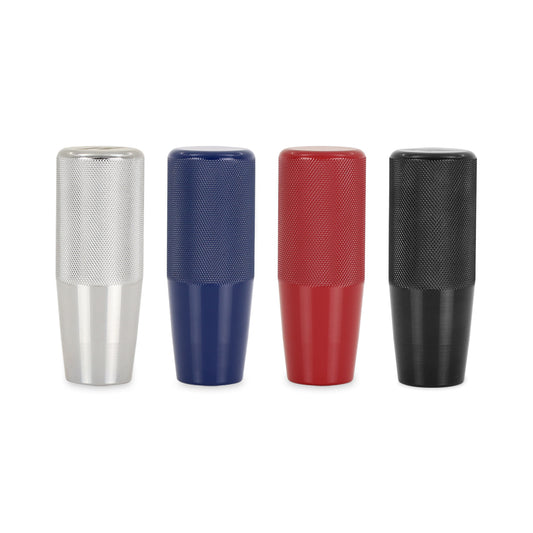
A weighted shift knob could add mechanical feel to each change. The extra mass helped the lever move through the gate with a more deliberate action. It also suited the period look.
For a current build, a Mishimoto weighted shift knob offers the same functional approach. It is a simple interior change with a direct connection to the driver.
A period jdm gear knob could be metal, resin or branded plastic. The specification was less important than the contact point. The knob was used constantly. It became part of the car’s character.
Fitment still matters. Check thread size, adapter requirements and lever height before ordering. JDM interiors often use different specifications from UK-market cars.
Other visual details completed the style:
- Deep fixed-back seats
- Harness bars
- Small analogue gauges
- Dark interiors
- Exposed metal panels
- Club stickers
- Compact steering wheels
- Mirror visors
- Clear or lightly tinted lighting
- Minimal sound deadening
Mirror visors were particularly recognisable. They added a small exterior detail without changing the car’s basic shape. On an EF, EG or EK, they helped create the low-key, period street look associated with Japanese compact builds.
R32 Wheels and the Wider JDM Scene
The R32 Skyline GT-R is part of the same wider JDM vocabulary, but it was not the defining Kanjo car.
The Loop’s technical layout favoured Civics. The R32 was better known for high-speed highway runs, circuit battles and the Group A performance image that made the Skyline a global icon.
That distinction matters.
A Kanjo Civic was built around momentum and agility. An R32 was built around four-wheel drive traction, turbocharged power and high-speed stability.
Still, R32 wheels remain a strong period reference. Their shape, finish and motorsport association fit the visual language of late-1990s and early-2000s Japanese tuning.
JDM Goodness sources Japanese parts and rare components for enthusiasts building cars around this era. Browse the Nissan GT-R and Skyline collection or check the Imported Products collection for current availability.
Check fitment before using R32 wheels on another chassis. Skyline wheels typically use a 5x114.3 PCD, while many EF, EG and EK Civics use 4x100. Hub conversion, brake clearance, offset and arch clearance all require confirmation.
Do not buy on appearance alone.
Cooling Before Power
High-revving engines and repeated hard use create heat.
The 2001 street scene often focused on engine response and chassis control, but cooling remained essential. Oil temperature can rise quickly during sustained high-load driving. A reliable cooling system protects the engine and maintains consistent performance.
A universal oil cooler can support a wide range of custom builds when the correct core, fittings, lines and mounting position are selected. An oil cooler universal setup still requires careful planning. Confirm:
- Core size
- Oil-line routing
- Thread and fitting specifications
- Thermostatic sandwich plate compatibility
- Mounting strength
- Airflow
- Ground clearance
- Protection from road debris
JDM Goodness stocks Mishimoto cooling products and related hardware. The Mishimoto collection includes an oil cooler service pack, along with other performance cooling components.
Use a cooler as part of a complete system. Do not treat it as a substitute for correct oil, maintenance or temperature monitoring.
The Sound of the Era
The Kanjo style was visual, but sound carried across the elevated roads.
B-series engines climbed through the rev range. Exhausts echoed between concrete barriers. Short gear ratios kept the engine active. Induction noise mixed with tyre noise and the constant movement of Osaka traffic.
This was not polished supercar theatre.
It was compact-car performance. Low weight. High revs. Hard suspension. Bright graphics. Simple controls.
The formula remains attractive because it is understandable. Every modification has a clear purpose. Every part connects the driver to the car.
That is why the period still influences modern JDM builds.
From Illegal Runs to Track Builds
The early 2000s represented the peak of the Kanjo scene, but increased police enforcement soon changed the environment.
Crackdowns led to arrests, vehicle seizures and the closure of many informal racing groups. Some drivers stopped. Others moved to legal circuits. Several crews became less competitive and more focused on preserving their history.
The MotorTrend account of the Kanjozoku documents the secrecy, Civic-focused builds and risks surrounding the scene.
The legacy is now carried through:
- Track-prepared Hondas
- Japanese motorsport styling
- Period-correct interiors
- Club graphics
- Imported wheels
- Functional cooling upgrades
- JDM magazines and video footage
- Legal circuit events
The look can be recreated. The driving environment should not be.
Build the car for a track. Use a weighted shift knob or jdm gear knob to improve the cabin feel. Select mirror visors and graphics for the period appearance. Verify R32 wheels and every other component for fitment. Add cooling capacity where the engine requires it.
Kanjo Goodness, 2001 Style
The Kanjo Loop remains one of the strongest reference points in Japanese street culture.
It represents a specific time and place: Osaka in the late 1990s and early 2000s, when compact Hondas, circuit technology and underground crew culture came together above the city.
The parts were simple. The preparation was serious.
Start with the chassis. Set the suspension correctly. Improve braking. Maintain the engine. Add cooling support. Finish the cabin and exterior with details that suit the era.
Then take the finished car to a legal venue.
Check JDM Goodness for imported Japanese components, performance accessories and current availability.
Status: Historical style preserved. Public-road racing not recommended.